Japanese days of the week can feel familiar until someone asks for Thursday without letting you start at Monday. Reciting seven names is one task; recognising a single name, reading a calendar heading and answering a day question are different tasks. If you keep counting through the list, change the practice rather than repeating the sequence faster.
This guide connects a small vocabulary target to a lesson, an independent attempt, correction, saved-word review and a fresh calendar task. KanaWay is an upcoming app whose described vocabulary, dictionary, practice and reading areas can support those steps. The shuffled cards and personal planner below are paper activities. You do not need a custom calendar feature to practise the actual problem: identifying the intended day accurately.
Japanese days of the week: seven complete words
Start with a reference you can trust. Monday is 月曜日, げつようび; Tuesday is 火曜日, かようび; Wednesday is 水曜日, すいようび; Thursday is 木曜日, もくようび; Friday is 金曜日, きんようび; Saturday is 土曜日, どようび; Sunday is 日曜日, にちようび. Read each complete word alongside its meaning before covering anything. The shared ending 曜日 is read ようび in these names. What changes at the beginning is essential for telling the days apart.
The Japan Foundation's Irodori starter lesson 9 gives the seven day labels with their readings and moves from listening and repeating to choosing the day heard. That is a useful distinction for your own study: familiarity with the model comes before an attempt, but looking at the answer throughout the attempt hides what you can actually recognise. Use the official reference beside your first handwritten list and check every entry before making cards.
Keep kana visible at this stage if the kanji are unfamiliar. You can learn the complete vocabulary items without pretending to know every reading of each character. Likewise, recognising 月曜日 does not establish that you can read 月 in every other word. Today's target is deliberately smaller: these seven words, their meanings and one practical use.
Separate day names from the calendar layout
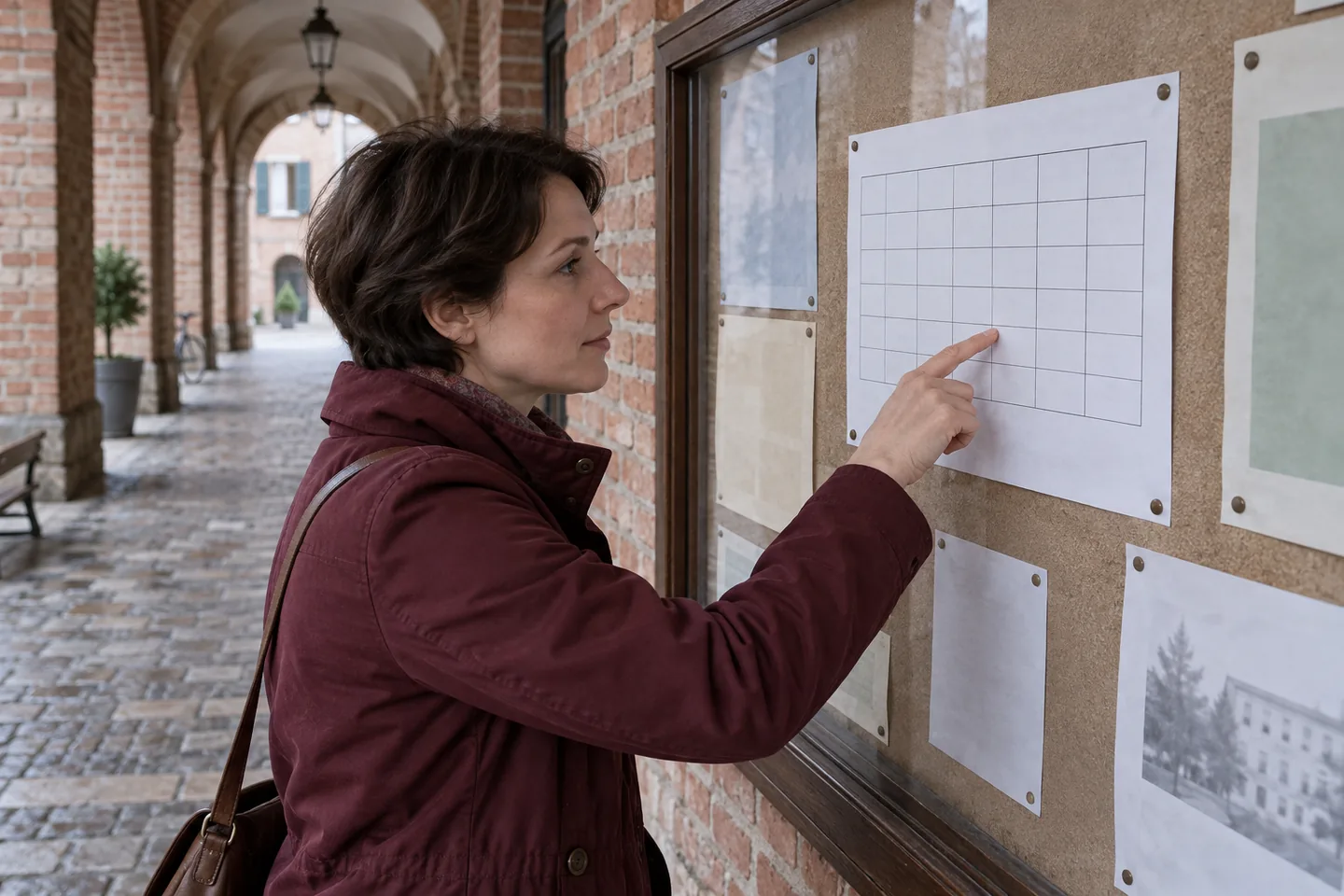
A calendar is useful because a day label has a job: it identifies a column or a place in a weekly plan. Write the seven complete Japanese names above seven boxes on paper. Place a familiar activity in two boxes using your own language or a simple drawing. Then point to a box and read its Japanese heading. The activity gives the choice a purpose without adding unfamiliar Japanese verbs to the same exercise.
Do not assume every calendar starts with the same day. Read its actual headings before using a column's position as a clue. For a second attempt, put Sunday at the left and move the other labels accordingly. You are testing whether the written word identifies the day, not whether you remember where Thursday sat on yesterday's sheet. Keep the answer reference nearby but turn it face down until after your response.
The Japan Foundation São Paulo weekly-planning worksheet shows the shortened headings 月, 火, 水, 木, 金, 土 and 日 beside their full kana readings. In that calendar context, practise connecting the short heading to the complete day name. Do not give the isolated character that reading in unrelated contexts. Also keep day-of-week labels separate from numerical dates; learning Thursday does not teach you how to read the thirteenth.
Break the sequence with a small retrieval task
Make seven paper cards with a Japanese day on one side and its meaning on the other. Shuffle them and begin with just three if seven random choices feel too difficult. See the Japanese word, say the day in English, and check. In a separate round, see the English cue and produce the Japanese name before turning the card over. These two directions reveal different gaps and should not be combined into one vague score.
Record the exact response rather than simply marking the whole session wrong. If you identify 木曜日 correctly but cannot produce もくようび from the English cue, written recognition is ahead of recall. Keep a short note such as “Thursday: knew the meaning, needed the reading.” That note tells you what to practise next. Reciting Monday through Sunday again would not directly test the missing direction.
In KanaWay's described vocabulary path, begin with the explanation and available examples for the item, then attempt the relevant practice before checking its answer. Use paper for your own shuffled test and compare against the verified reference. There is no need to assume the app generates your custom card set. If kana themselves slow every response, work on that reading prerequisite separately so it does not obscure the vocabulary result.
Hear the beginning before choosing the day
Listening needs its own attempt. A written word can be obvious while the spoken word passes too quickly to identify. Use checked day-name audio, initially with the reference visible. Listen to the full word, then look again at the changing beginning and the common ending. Avoid replacing the model with guesses based only on English spelling. Romanisation may be a temporary aid, but kana and the actual audio give you a more direct reference.
Now hide the written list, listen to one item and point to its English meaning or the corresponding box on your paper week. Check after choosing. When you miss an item, replay that item and compare what you heard with its reading. Was the difficulty the start of the word, remembering its meaning, or locating the right box? Those are different repair tasks. A slower response is still informative if the choice came before the answer.
Irodori's day activity offers a model for listening and choosing rather than merely repeating. For your own practice, select a short excerpt with an answer you can verify and keep the task focused on the day. KanaWay's described listening and vocabulary areas can provide further language encounters, but your paper result should be checked against the source you actually used. Do not interpret completing a listening activity as proof of reliable spontaneous understanding.

Ask which day, then give a limited answer
The question 何曜日ですか, read なんようびですか, asks which day of the week it is in the supplied context. A short answer such as 木曜日です, もくようびです, gives Thursday. Establish the context first: point to the activity on your paper planner, ask the question, and answer with the day you placed it under. This is a limited model, not a claim that every scheduling conversation uses the same sentence.
Work with one partner if possible. Give them the planner while you keep an answer sheet, or reverse roles. They point to one activity; you name its day without reciting the full week. If working alone, cover the heading above a marked activity and recover the name before uncovering it. The exercise is useful only when the answer is not already in view. Choosing the same two boxes every time quickly makes the test predictable.
Keep numerical dates, clock times and complex availability explanations out of this first exchange. You can add them later as separate learning targets. If the answer fails, return to the full word and its reading, then ask the same question about a different marked activity. The aim is a successful small exchange with a checked day, rather than a long sentence containing several uncertain forms.
Use review to repair the specific missing connection
A missed day deserves a defined next step. For a reading error, compare the full kanji word with its kana reading. For a meaning error, return to the correct day association. For a listening error, check the matching audio. You may need more than one connection repaired, but identify each one explicitly. Writing all seven names repeatedly is a poor diagnostic if the only problem was recognising one spoken item without the list.
KanaWay's described dictionary and saved-word review offer a way to revisit useful vocabulary. Check the complete item in the dictionary, then save an item you need again rather than collecting everything merely because it appeared on a page. Keep your paper note about the failed direction beside your study plan. A saved word provides a later encounter; it does not automatically retain the details of your handwritten calendar task or diagnose why you hesitated.
On the next day, test the troublesome item among two previously secure items. Choose a different order and make your response before checking. If it is correct once, keep a later check rather than deleting the problem from your plan immediately. If it is still wrong, simplify the cue and return to the verified model. Progress here means fewer specific errors across changed attempts, not accumulating a large saved-word list.
Build a week that means something to you
Choose three real activities from your own week: perhaps a rehearsal, a shopping trip and a walk. Label their days in Japanese on a new paper planner. Keep activity descriptions in English if you have not studied those expressions yet. That is a sensible boundary, because the purpose is to use the day names. There is no benefit in inventing Japanese sentences that you cannot check just to make the planner look more advanced.
Give the plan a small decision. Which day contains the walk? Move the rehearsal to another day and read the new heading. Which day now has two activities? Answer by naming the relevant day, not by explaining every detail of the event. Changing a single activity creates a fresh cue while retaining vocabulary you already checked. Verify the written heading and your spoken answer against the reference after each attempt.
Leave space for uncertainty. A label read confidently but attached to the wrong activity is a meaning or attention error; a correctly located activity with a wrong day reading is another problem. Note what happened before making the next sheet. Personal relevance helps give the words a purpose, but the plan itself is not evidence of mastery. The useful evidence is whether you can identify the intended day after the arrangement changes.

Finish with a fresh calendar, not the same rehearsal
Use another checked calendar or weekly schedule and locate its day headings before interpreting an entry. Start with a familiar activity or a marked box. Read its heading, identify the day and, if the heading is shortened, recover the complete day name. Avoid guessing the content of an unfamiliar notice from one recognised day. A day label tells you where or when an entry belongs; other information still needs to be read accurately.
KanaWay's described reading area and dictionary can support the next step when a short passage contains a day word. Resolve an unfamiliar item, then return to the sentence to see what role the day has. Optional reading aids are support for that passage, not proof that you can recognise the word without them. Follow with one independent attempt on paper so the supported reading leads to a clear check of your own understanding.
End the session by naming one thing you can now do and one thing to recheck: “I can recognise the shuffled written names; I still confuse one audio item.” That is a practical stopping point. Keep the next attempt short and use a changed cue. Once you can recognise, read and retrieve the seven names independently, expand to dates or fuller scheduling language as a new task instead of treating another perfect recitation as the final goal.