
Japanese invitations can go wrong even when the verb ending is correct. You ask someone to go together, hear a positive reaction and immediately announce the plan, although the other person has not checked the day yet. The learning problem is a short exchange: recognise the invitation, leave room for an answer, establish availability and respond to what was actually said.
This guide connects a checked model to a small attempt, feedback, vocabulary review and another conversation cue. KanaWay is an upcoming app. Its described grammar explanations, practice, dictionary, saved-word review and reading areas can support that route. Personal role cards stay on paper. You will practise a friendly invitation and two possible responses, without assuming a custom conversation generator or an automatic judgement of every sentence you create yourself.
Japanese invitations begin with a shared action
Start with いっしょに行きませんか, read いっしょにいきませんか: would you like to go together? In an invitation context, the speaker is asking the listener about joining an action. Identify that action before concentrating on the ending. If you do not know where the people are going, the sentence can still be an invitation, but the practical plan needs more context. A familiar grammatical shape does not supply the missing event.
The Japan Foundation's Irodori starter lesson 12 presents invitations with questions about the day and replies about availability. Use that sequence as a model for this limited practice. The useful target is not delivering an impressive long sentence. It is recognising whose turn it is to decide and what information remains open. A person who understands the proposal may still need the date before choosing whether to join.
Begin in KanaWay's described grammar area with the relevant explanation and available examples. Note the action, invitation ending and response in the model. Then close the explanation before attempting a reply on paper. Choose a situation between friends or familiar peers, as in the teaching material. Do not treat one beginner pattern as a complete guide to invitations in every relationship or formal setting. The context should remain simple enough that your response has a clear purpose.
Build masen ka from a checked masu form
For this invitation pattern, replace the ます ending of a checked polite verb form with ませんか. 行きます becomes 行きませんか, read いきませんか; 食べます becomes 食べませんか, read たべませんか; します becomes しませんか. Keep the stem that precedes ます. Do not attach the invitation ending straight to an unfamiliar dictionary form and assume it will work. If you cannot reliably produce the polite form, check it before changing the ending.
Tokyo University of Foreign Studies provides invitation exercises with these kinds of transformations, including going, eating lunch and playing tennis. Use its checked model as a reference rather than inventing a large verb list. Write one polite form beside one invitation form on paper. Cover the second and reconstruct it. After checking, say which part stayed and which part changed. That explanation reveals more than simply recognising a familiar completed answer.
In KanaWay's described practice path, attempt the relevant activity before reading its feedback. If your own paper response differs from the model, inspect the stem and ending separately. A vocabulary lookup can clarify the action, while the grammar reference checks the construction. Keep new objects, destinations and dates out of this first transformation. They can be added later, once you know whether the form itself is the difficulty.

Use mashou with attention to the exchange
行きましょう, read いきましょう, proposes or confirms going together: let's go. Irodori uses it after an invitation is accepted, and also in a suggestion to do something another time. The form has a wider use than one fixed position in a dialogue. For today's exercise, place it after a response that supports the shared plan so that you practise listening before moving the conversation forward.
Compare your two roles. As the inviter, you ask whether the other person wants to join. As the respondent, you may welcome the idea, ask for the date or explain that the proposed day does not work. Repeating 行きましょう regardless of the reply fails the task even if its verb form is correct. The next turn must fit the information you received, not merely continue a memorised chain of endings.
Keep a two-column paper note: what the other person said and what your next turn needs to do. One line might require checking the date; another might permit confirming the plan. Use KanaWay's explanation and checked examples to clarify the function, then make a fresh choice without looking. Do not reduce the contrast to a universal politeness ranking. This exercise concerns the role of each turn in a simple shared activity.
Ask for the date before treating the plan as settled
いいですね can express a positive reaction, roughly “that sounds good” in this context. It does not by itself tell you that all details have been agreed. Irodori combines a positive response with いつですか, read いつですか: when is it? Practise hearing the whole turn rather than stopping at the first encouraging phrase. A request for the date means that the conversation still has information to exchange.
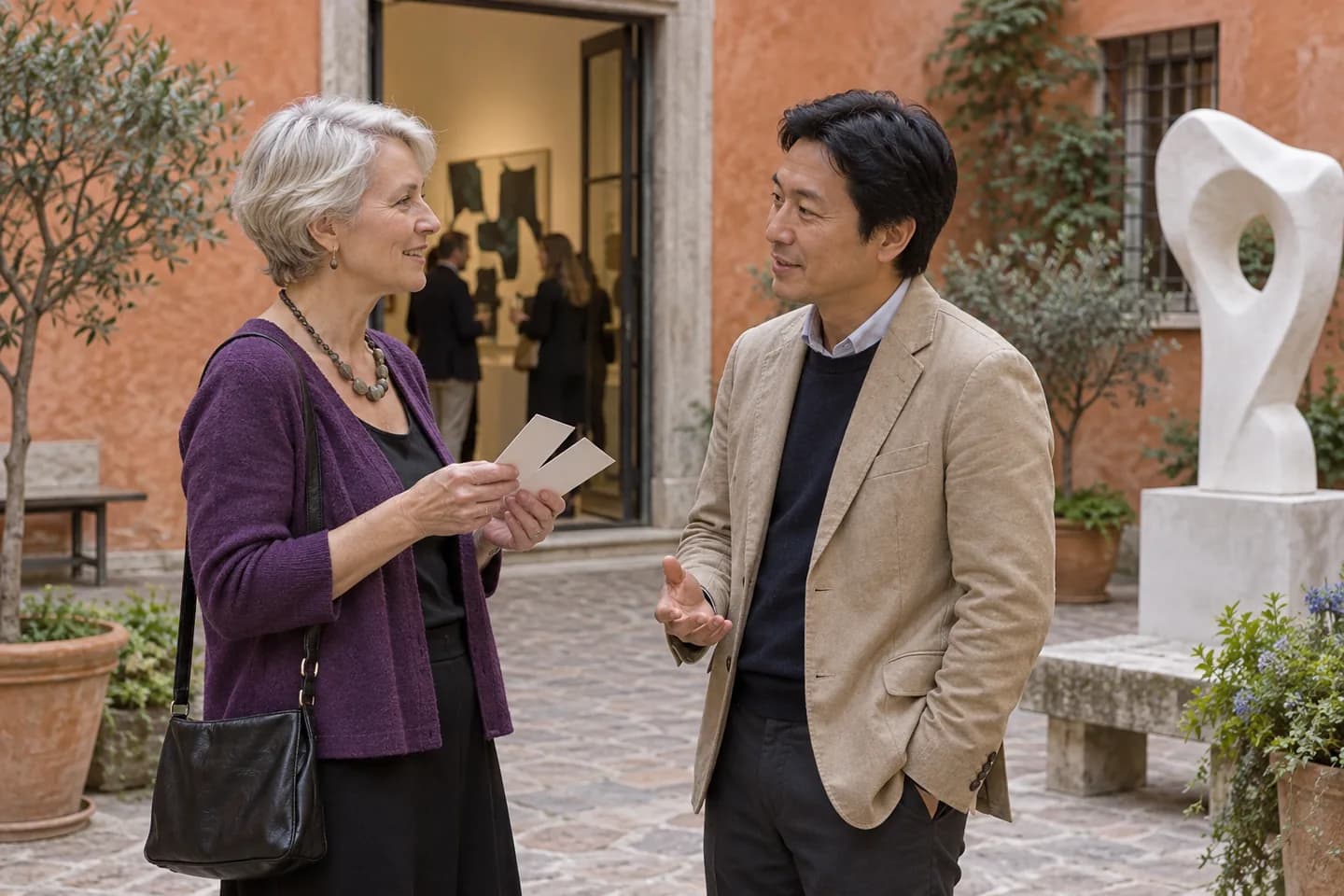
Draw an event card with an activity and a day, using English labels if you have not studied the Japanese details yet. Let one person see the card and keep it hidden from the respondent. The respondent must ask about the missing date before deciding on availability. This is a paper role-play, not a claim that KanaWay imports your event card. If studying alone, cover the day while reading the invitation, then uncover it after your question.
Check what your answer establishes. A suitable day response can resolve availability for this exercise, but a real outing may still need time, place and other arrangements. Keep those as later tasks rather than overloading this beginner exchange. If a date word blocks comprehension, check that vocabulary and return to the same invitation. Do not mark the invitation grammar wrong simply because the event details contained an unfamiliar word.

Hear an unavailable day without arguing against it
In the model context, すみません。土曜日はちょっと……, read すみません。どようびはちょっと……, indicates that Saturday is difficult for the speaker. The unfinished expression relies on the invitation and availability context. Learn its conversational function there instead of translating ちょっと as a universal refusal word. In another sentence, the same word can have a different role. Keep the day, situation and response together in your notes.
When your partner gives the unavailable-day response, do not continue as though they accepted. Acknowledge the response and leave the invitation open for another occasion if that fits the model. Irodori includes じゃあ、また今度, read じゃあ、またこんど: then, another time. Practise that as a possible next step in this situation, not as a promise that another outing has already been scheduled. No date has been agreed merely by mentioning another occasion.
Avoid turning this into a story about how all Japanese people decline every invitation. Relationship, wording and circumstances matter. The practical learning point is to respond to the available evidence without pressing someone to justify a refusal. If you genuinely do not understand the phrase, consult the model or ask your teacher about its context. For the exercise, the partner's availability is a given; the task is choosing a fitting response, not changing their answer.
Use feedback to locate the specific missing step
After a short attempt, classify what failed. Did you build the verb incorrectly, miss the invitation meaning, overlook the date question or treat an unavailable day as agreement? These are different problems. Write one precise note, such as “correct invitation ending, wrong next turn after the date question.” A single overall score can hide the part that needs attention. You do not need to repeat every line when only one decision was unclear.
KanaWay's described lesson and practice areas can supply an explanation, an attempt and feedback for the activity they actually contain. Use that feedback within its scope. For an original paper dialogue, compare the construction with the checked source or have a teacher review the uncertain line. Do not assume the app evaluates any conversation you invent or diagnoses the social meaning of every reply. Keep your handwritten observation beside the model you used.
If an unfamiliar useful word caused the interruption, check it in the dictionary and use saved-word review for a later encounter. Save the item because it supports this task, not simply to expand a collection. Keep the event context on paper if needed. On a later attempt, test that word in a changed invitation and also check the conversational decision. Remembering the word alone does not show that you can respond appropriately to an unavailable day.
Change one cue and switch the roles
Prepare three paper cues for the respondent: interested but needs the date, available on the proposed day, and unavailable on that day. Shuffle them or let your partner choose one. The inviter should not know the response in advance. Keep the activity and verb familiar so that the variable is the conversational choice. This small change makes the exchange more informative than repeating a dialogue whose next line everyone already knows.
Run the exchange once, then switch roles. The person who formed the invitation now has to listen and decide what the reply requires. Check both the grammatical form and the connection between turns. If you begin reciting the next line before your partner finishes, pause and restart from their reply. Speed is not the target yet. A short response that fits is more useful evidence than a fluent sequence that ignores the other speaker.
After checking, change only one further detail, perhaps the day or the familiar activity. Do not introduce several unknown verbs and a complicated schedule at once. Use the reference to verify any new construction. When working alone, hide the response cue until after you have formed the invitation, then choose the next step. The paper exercise cannot reproduce every feature of conversation, but it can reveal whether your plan survives a reply you did not preselect.
Transfer the decision to a short message or listening
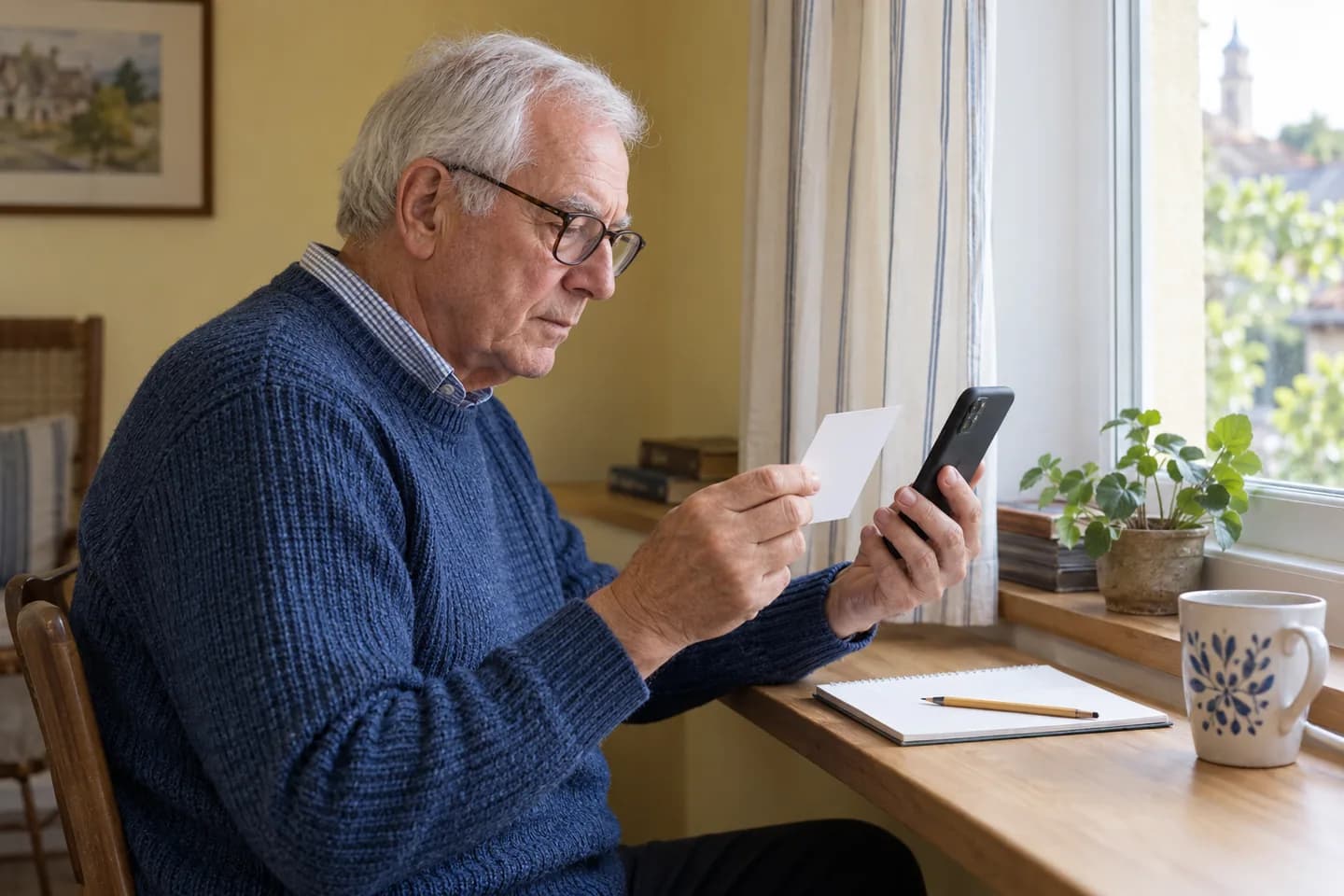
Finish with a short checked invitation message or dialogue. Before consulting a translation, identify the activity, the proposal, the available details and the response required. You do not need to understand every unfamiliar item to know what remains uncertain, but you should not guess a day or a commitment from a partial reading. Irodori includes reading and replying to an invitation message, providing a practical model beyond a single isolated sentence.
KanaWay's described reading and dictionary areas can support a later encounter with an invitation in context. Resolve the decisive unknown word, then return to the full exchange. For listening, choose a short model with a transcript or answer you can check, listen before reading and compare the missed turn. Keep the objective the same: did the response welcome the idea, request information or signal a problem with the proposed day?
End with one result and one next attempt: “I can form the invitation, but I answer before noticing the date question.” Revisit that decision later with a different cue. KanaWay remains upcoming; these paper activities can be practised with the verified reference now. The goal is modest and concrete: make an invitation, allow an answer and choose a next turn that respects it. A successful verb transformation becomes useful when the surrounding exchange also makes sense.