
Japanese shadowing can look impressively simple: play a recording and speak just behind it. A beginner presses play, chases every syllable, loses the sentence after three seconds and tries again louder. The mouth may move faster, but the learner still cannot explain what was said or use the phrase in a conversation. The problem is not a lack of effort. Shadowing asks listening, prediction, memory, articulation and meaning to work at the same time, so an unsuitable clip or a missing preparation step turns it into noise imitation.
A better routine protects the connection between sound and intention. You will choose a very short dialogue, understand who is speaking and why, map its phrase groups, rehearse difficult boundaries, follow the audio with a small lag and then change the message. The Japan Foundation’s Irodori materials define shadowing as speaking immediately behind the audio rather than waiting for the whole dialogue to end. That timing matters, but speed is the final constraint, not the first goal. The sequence below gives beginners a complete method that works with any clear, legally available learner recording and does not depend on an app.
What Japanese shadowing is—and what it is not
In repetition, you hear a complete sentence, pause and reproduce it from memory. In shadowing, you begin speaking while the model is still continuing, staying a short distance behind it like a shadow. That overlap forces close attention to sound boundaries, rhythm and the direction of the phrase. It does not require an identical voice or theatrical imitation. Your first target is an intelligible, steady version that preserves the speaker’s groups and intention without dropping meaning.
Reading aloud with audio is also different. A visible script can pull your eyes ahead while your ears stop making predictions. The Marugoto teaching guidance explains that shadowing involves prediction and recommends avoiding the full script as much as possible after comprehension is secure. Use text as temporary support for checking a missed boundary, then cover it. If you cannot follow without reading at all, shorten the clip or prepare the language further rather than turning the activity into synchronized reading.
Choose one manageable scene, not an entire episode
Start with ten to twenty seconds containing two or three turns. Choose audio made for learners or a clean everyday exchange with distinct speakers and no music over the voices. You should already know most of the grammar and vocabulary. One unfamiliar expression is useful; a line that needs a paragraph of translation is not ready for shadowing. A predictable situation—ordering, greeting a colleague, confirming a time or asking where something is—gives every sound a communicative role.
Listen once without speaking and answer three questions: who is talking, what do they need, and what changes by the end? If you cannot answer, the next step is comprehension, not faster imitation. Replace the clip if the recording is muffled, aggressively dramatic, packed with names or far above your level. A shorter suitable source provides more useful attention than repeatedly surviving a difficult minute. Keep the same clip for several days only while a specific feature is still improving.
Understand the speakers before borrowing their voices
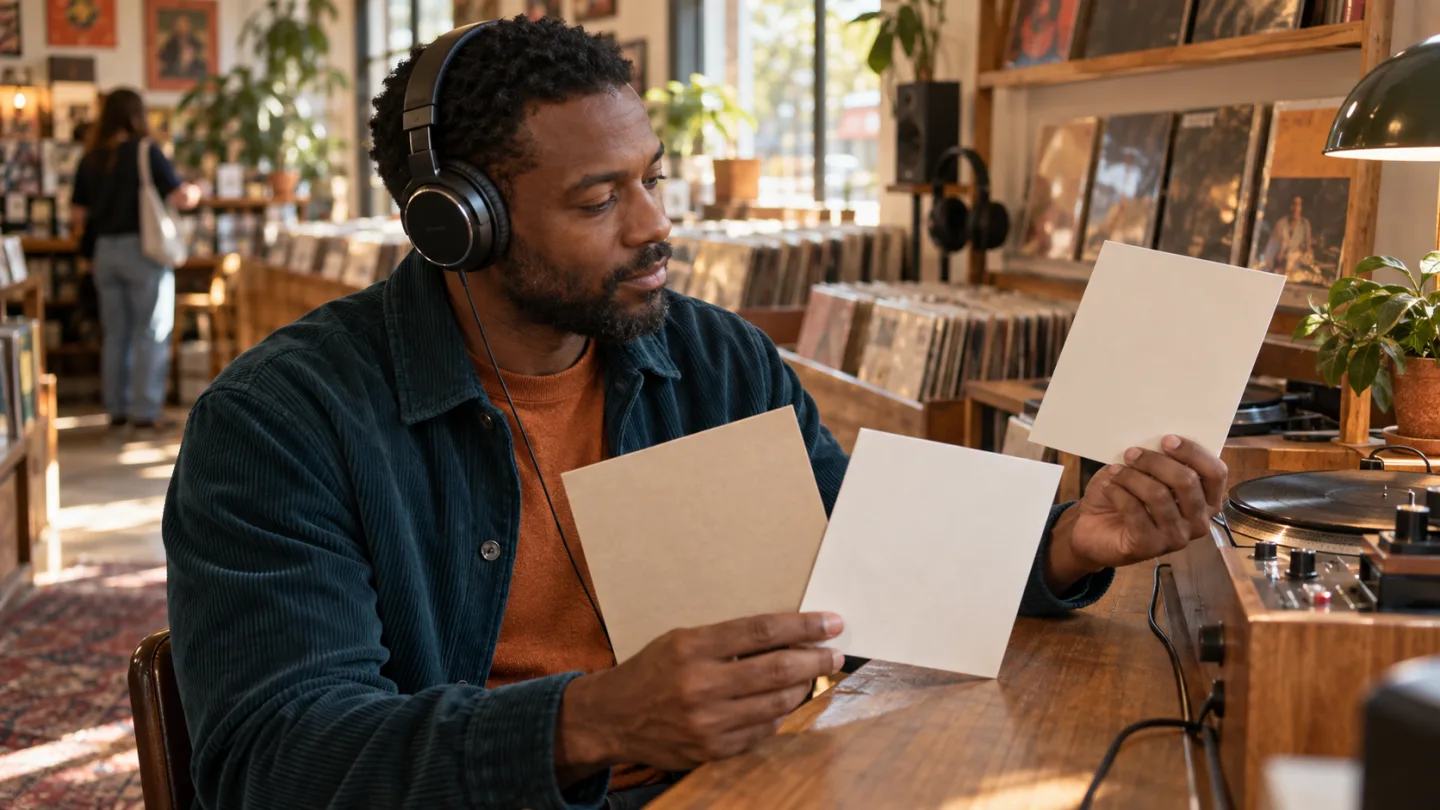
Write a one-line scene map in your own language: ‘Customer checks whether the lunch set is still available; staff member offers the last one.’ Then note the purpose of each Japanese turn—question, confirmation, correction, offer, acceptance. Do not create a full translation to read during practice. The map should remind you why the voice rises, softens or changes direction. Meaning makes prosody easier to hear because a contrast or final decision is no longer just an unexplained pitch movement.
Check only the words and grammar that block the exchange. For example, in すみません、ランチセットはまだありますか, identify the attention-getter, topic, まだ and the availability question. In はい、あと一つあります, understand that one remains. Once the scene is clear, listen again and point to each turn on a simple picture or speaker card. You are training the audio to trigger a situation, not an English sentence displayed between the sound and its purpose.

Mark phrase groups and the stressed decision point
Play the clip and mark only natural groups, not every word: すみません / ランチセットは / まだありますか. Japanese timing does not match an English stress pattern, and a written slash is not a command to pause heavily. It shows which sounds belong together while your ear learns the model. Circle the point that carries the decision—まだ in the question, or あと一つ in the answer. That point should remain audible even when your first shadow is quiet.
Tap once per phrase group, then hum or whisper the contour without full consonants. This removes the pressure to pronounce every segment while you notice where the phrase continues and where it settles. Return to the words at reduced volume. Do not exaggerate a pitch pattern you cannot hear reliably, and do not assign a fixed melody from romanization. Copy the specific recording’s grouping, timing and attitude. Detailed accent study can come separately when a trustworthy model and explanation are available.
Repair one sound boundary before the full shadow
Find the place where your speech breaks: perhaps まだありますか compresses into an unfamiliar stream, or the transition in あと一つ feels late. Loop only the smallest useful group. Listen, pause, repeat once, then speak with the model three times. This temporary repetition is preparation for shadowing, not a failure. It lets your mouth learn a difficult boundary before working memory must also follow the next phrase.
Diagnose the cause accurately. If you cannot hear where a word begins, compare the audio with the script and then close the script. If you hear it but cannot say it, slow your own rehearsal without digitally distorting the model. If you can say it but lose the next group, the clip is too long or your lag is too wide. If meaning disappears, return to the scene map. Each cause needs a different repair; playing the whole clip again treats them all as one problem.
Follow with a small lag and a quiet voice
Now start just after the first words and keep moving. Speak quietly enough to continue hearing the model; headphones at a safe volume should not be drowned out by your own voice. Let one unclear syllable pass instead of stopping the entire exchange. Preserve the phrase group and rejoin at the next known point. Shadowing trains continuous tracking, so constant rewinding after every imperfection removes the very demand you want to practise.
Complete three purposeful passes. On the first, protect timing and do not judge pronunciation. On the second, keep the decision words clear and match the speaker changes. On the third, preserve meaning while making your articulation more complete. Stop before fatigue turns every pass into a blur. Record only the final pass occasionally; daily recording can make beginners monitor their voice so closely that they stop listening to the source.
Compare by function instead of asking whether you sound native
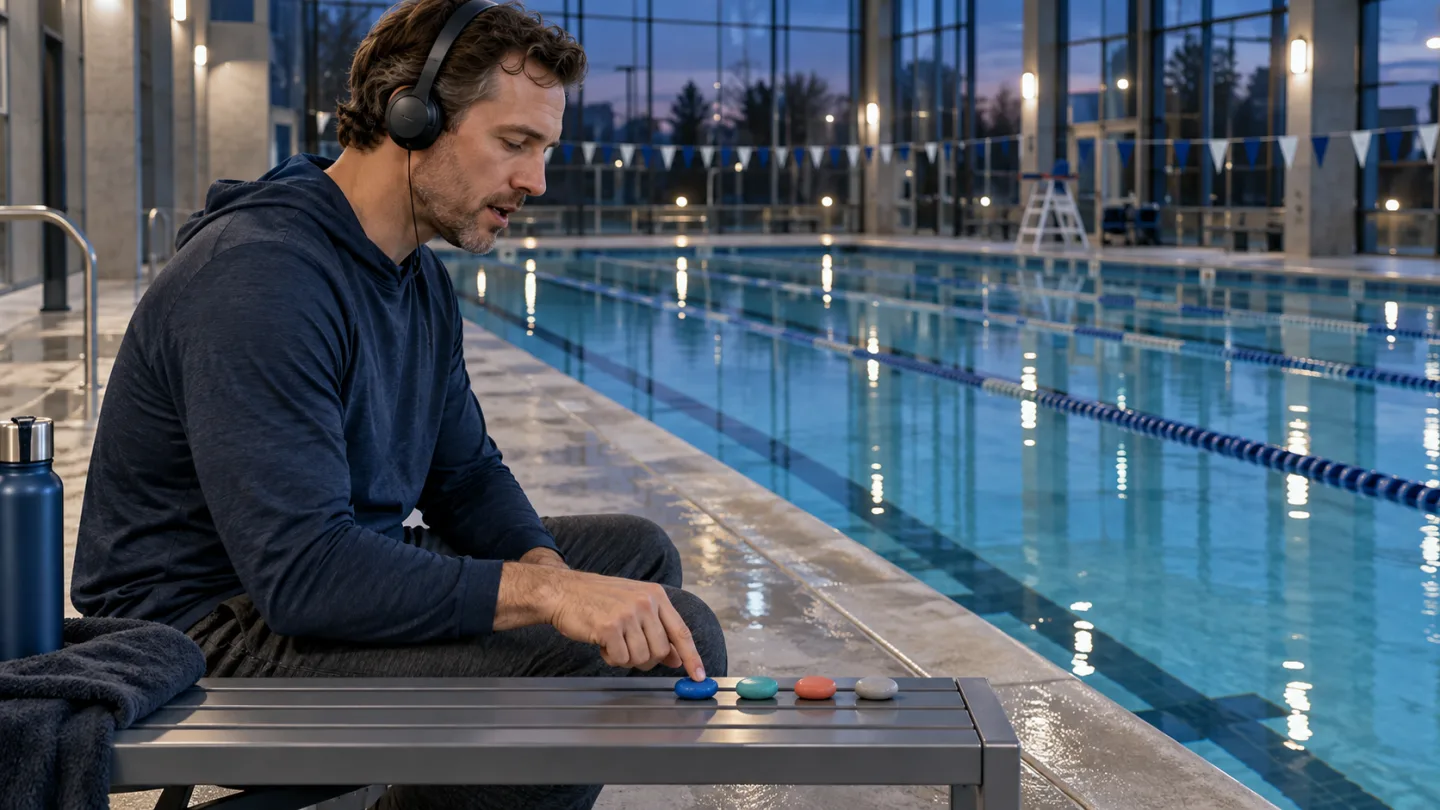
Listen to your recording once without the model. Can a listener identify the two turns, the question and the final answer? Then compare only one feature at a time: missing syllables, phrase grouping, long vowels, the timing of a correction or the ending that signals the speaker’s stance. ‘I have an accent’ is too broad to guide a repair. ‘I swallowed the long vowel in そうです’ or ‘I paused inside ランチセット’ creates a specific next attempt.
Keep a three-column note: heard, produced, next change. Use kana or a short sound description rather than a long phonetic theory. If the model remains impossible after two focused repairs, step down to an easier clip. Shadowing is not a test of endurance, and sounding identical to one speaker is not the standard. Improvement means you can track more of a comprehensible message, keep its important contrasts and recover after a small miss.
Leave the shadow and change the message
A copied dialogue becomes useful language only when you can alter it. Keep the interaction but change one fact: ランチセット becomes カレー, あと一つ becomes あと二つ, or the answer becomes すみません、もうありません. Say the changed exchange without audio. Next, close the model and answer a related question about your own situation. This step tests whether sound and meaning stayed connected during shadowing or whether the sequence survived only as muscle memory.
Use a partner if available, but a two-role recording also works. Respond naturally rather than trying to preserve every rhythm from the model when the content changes. Communication may require a new pause or emphasis. The model gave you a stable starting pattern; it is not a cage. The Irodori teaching flow similarly places shadowing before controlled practice and then speaking more freely, which keeps fluent imitation connected to an actual Can-do goal.

Use a seven-day Japanese shadowing cycle
On day one, choose and understand the clip. On day two, mark phrase groups and repair one boundary. On days three and four, complete three short shadowing passes and note one change. On day five, shadow once without text and perform two substitutions. On day six, retell or role-play the situation with new content. On day seven, return to the original once, record it and decide whether to retire the clip. Ten attentive minutes are enough; more time is useful only if attention remains precise.
Measure progress with tasks, not vague smoothness. Can you explain the scene, follow without a script, preserve the key contrast, rejoin after a miss and create a new response? If yes, choose a new clip with one modest challenge: a different speaker, slightly longer turn or one unfamiliar grammar pattern. If not, identify which step failed and repeat that step rather than restarting the whole week. Japanese shadowing becomes productive when each recording moves from understood input to controlled following and finally to independent speech.